Bulgaria has had two of the biggest administrative changes in its modern history within thirteen months of each other. Border checks came off in January 2025 when the country became a full Schengen member. The lev was retired a year later, on 1 January 2026, after 146 years.
The result is that most travel advice written before 2025 is now wrong in at least two places. Guidebooks still explaining how to change money at Sofia airport, or warning about the queue at the Serbian land border, describe a country that no longer exists. Here is what actually applies now.
The lev is gone, and the rate was never negotiable
Bulgaria joined the euro area on 1 January 2026 at a fixed rate of 1.95583 leva to the euro. That figure was not a market rate on the day; the lev had been pegged at it since 1999 and sat in ERM II from 2020, so the conversion was arithmetic rather than a currency event.
For one month, both currencies worked for cash payments. Since 1 February 2026 the euro has been the only legal tender in the country. Bank accounts converted automatically at the fixed rate, IBANs stayed the same, and cards kept working.
The coins are worth a second look when change lands in your hand. Bulgaria’s national sides reuse the designs from the old lev coins: the Madara Horseman on the cent denominations, St Ivan Rilski on the one euro, Paisiy Hilendarski on the two. The one and two euro coins carry the word евро in Cyrillic, which is the first time the currency has appeared in a third alphabet.
Dual pricing ended last month
From August 2025, every shop, restaurant and service in Bulgaria had to show prices in both currencies, side by side, in the same font and size. That requirement ran for exactly a year and ended on 8 August 2026. Since 9 August, prices are displayed in euro only, and a lev figure may appear alongside as a reference but never as the payable amount.
Anyone who visited during the transition and remembers the twin price tags will find them gone. Conversion rounding is still governed by the Euro Adoption Act, and the consumer protection commission has continued inspecting for wrong conversions and unjustified increases. The official government euro portal keeps the citizen-facing rules in English, including the exact conversion and rounding method.
If you still have leva in a drawer
This catches people who visited in 2023 or 2024 and came home with notes they meant to spend. Commercial banks and Bulgarian Posts were required to exchange leva free of charge for the first six months, which ended on 30 June 2026. They may now charge for the service, and from January 2027 they are entitled to stop offering it altogether.
The Bulgarian National Bank is the backstop and has no deadline. It exchanges lev banknotes and coins for euro free of charge, in unlimited quantities, for an unlimited period, at the fixed rate. That is available at the BNB head office in Sofia and at cash service offices in Sofia, Plovdiv, Burgas, Varna and Pleven.
There is more of this money floating around than you would think. The BNB reported that by the end of June 2026, around 94.5 percent of the lev cash in circulation had been exchanged, which still left roughly 1.7 billion leva outside its vaults. Some of that is in foreign wallets. One practical warning: no exchange office anywhere can beat a fixed statutory rate, so any bureau advertising a better deal on leva is selling you a worse one. UK high street banks and bureaux generally will not touch the currency at all now.
The borders work differently too
Bulgaria and Romania joined Schengen for air and sea travel in March 2024, and land border checks came off on 1 January 2025. Arriving from another Schengen country now means no passport control at all, whether flying into Sofia, Burgas or Varna, or driving up from Greece.
The flip side is that Bulgaria’s borders with Turkey, Serbia and North Macedonia are external EU borders, and they are policed accordingly. Anyone combining Bulgaria with Istanbul on the same trip crosses a proper frontier in both directions, with the EU’s entry-exit registration applying to non-EU passports. Build in time for the Kapitan Andreevo crossing, which is one of the busiest land borders in Europe.
Hire cars, vignettes and the winter rule
Bulgaria charges for road use through an electronic vignette rather than toll booths, and it applies to motorways and most national roads, not just the A1 and A2. There is nothing to stick on the windscreen since it is linked to the number plate, and around 300 fixed cameras plus roadside units check it continuously. The customs agency also verifies payment when a vehicle leaves the country, so an unpaid vignette tends to surface at the border rather than being quietly forgotten.
Prices are now quoted in euro after the changeover, and a week costs less than ten euro for a car, which makes the fine a poor trade. The National Toll Administration sells it directly and the purchase activates immediately, so there is no advantage to buying at the border. Hire cars usually come with one, but confirm it rather than assume, particularly on a one-way rental picked up outside Bulgaria.
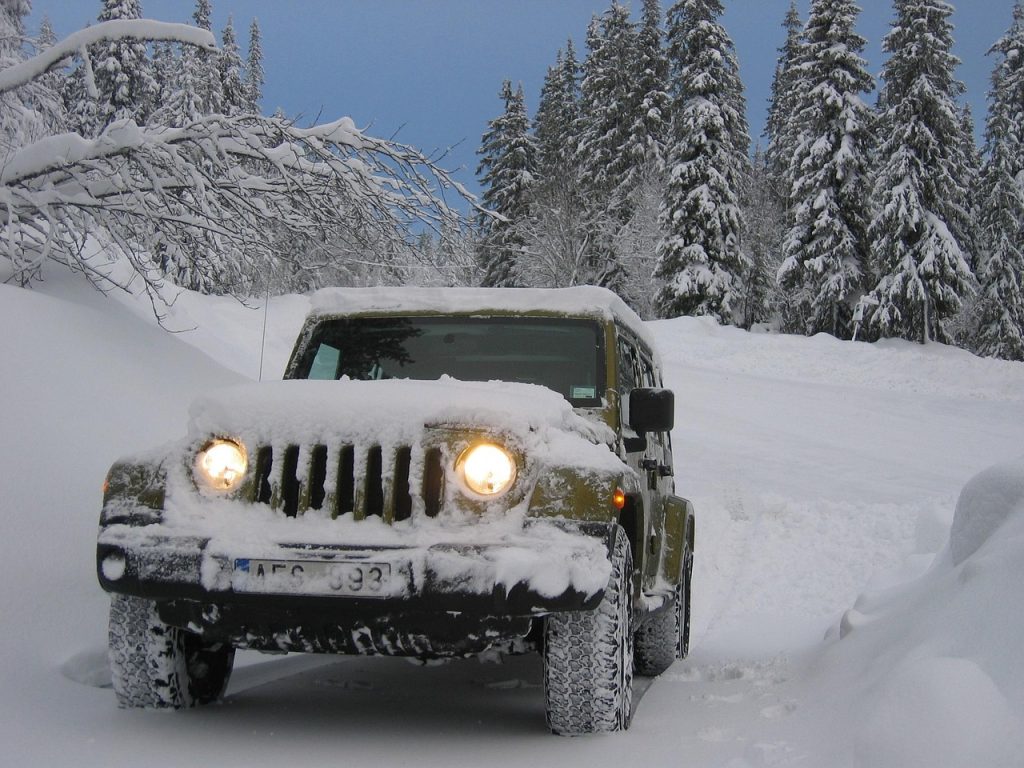
Winter tyres are required between 15 November and 1 March, and mountain passes such as Shipka and Troyan close at short notice from November onwards. Bulgaria’s ski season runs roughly December to April, and if a trip to Bansko or Borovets is the reason for the visit, the winter sports section of a travel policy deserves the same reading here as it does in the Alps. Rescue costs and off-piste exclusions do not become friendlier because the lift pass is cheaper.
Which is the last thing worth saying about the euro. Adopting it did not make Bulgaria expensive. Prices converted at a fixed rate, and the country remains among the cheapest in the EU for fuel, food and a week in the mountains. What changed is the arithmetic, not the bill.